
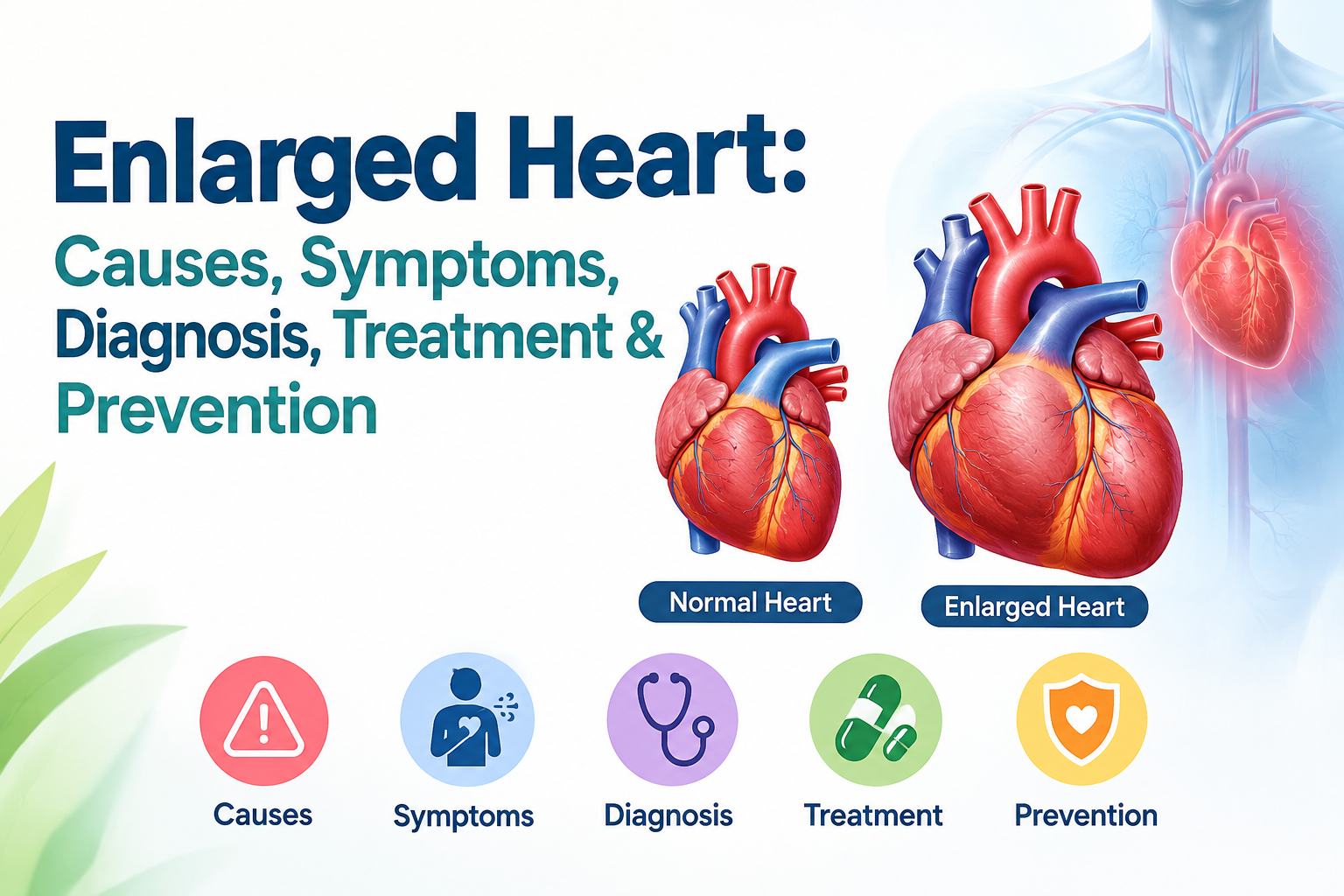
An enlarged heart, medically known as cardiomegaly, is not a disease itself but rather a sign of an underlying health condition. It occurs when the heart becomes larger than normal due to increased workload or damage to the heart muscle. While some people experience no symptoms, others may develop serious complications if the condition is left untreated.
Understanding the causes, symptoms, diagnosis, treatment options, and prevention strategies can help you recognize the warning signs early and seek appropriate medical care. In this comprehensive guide, we’ll explain everything you need to know about an enlarged heart and how to maintain a healthy cardiovascular system.
What Is an Enlarged Heart?
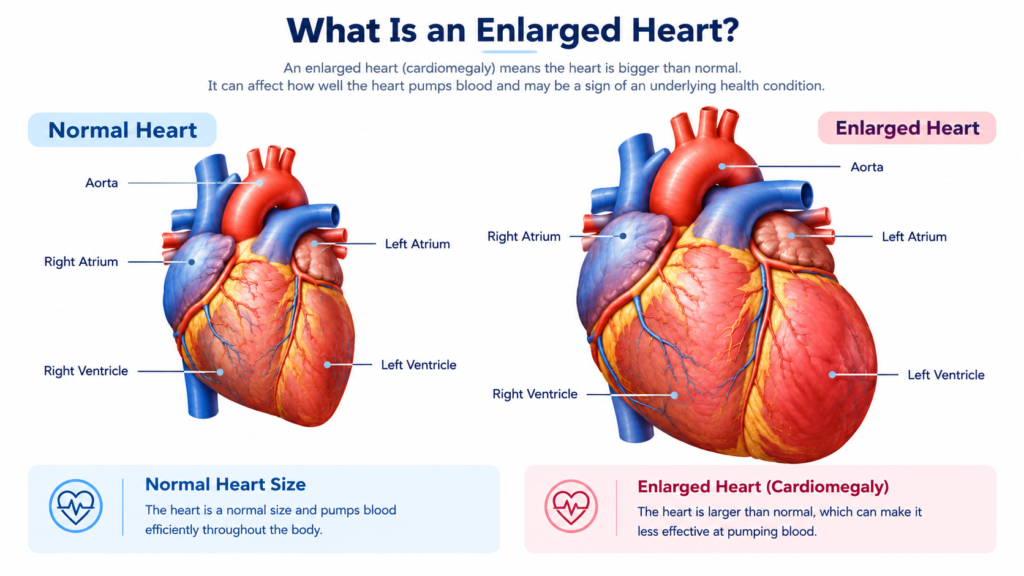
An enlarged heart means the heart has become bigger than its normal size. This enlargement may occur because the heart muscle thickens or because one or more of its chambers expand.
The heart enlarges when it has to work harder than usual to pump blood throughout the body. Over time, this extra effort weakens the heart muscle, making it less effective at circulating blood.
Doctors often discover an enlarged heart during a chest X-ray or other imaging tests. Additional testing is usually necessary to determine the underlying cause.
Types of Enlarged Heart
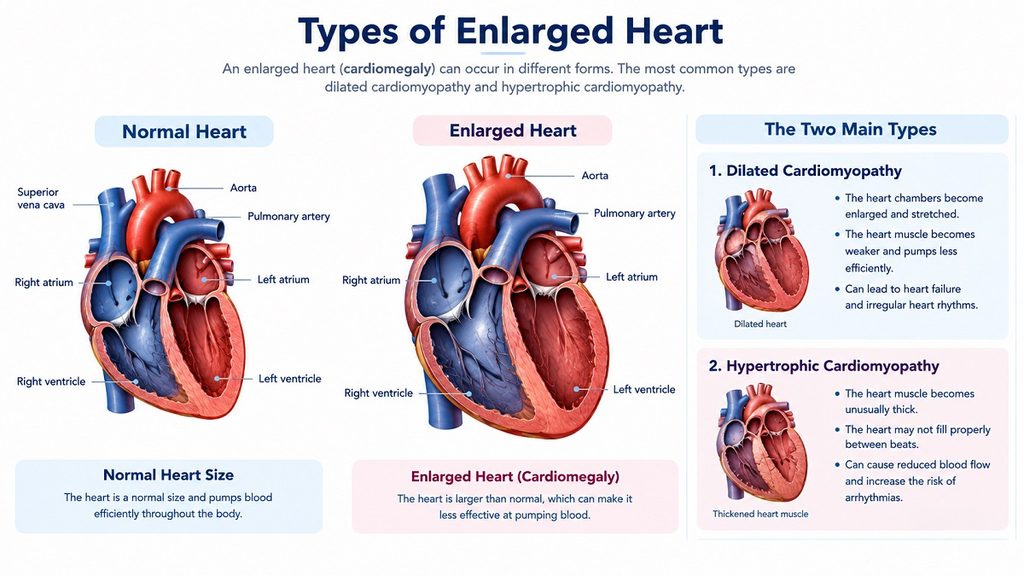
There are two primary forms of cardiomegaly:
1. Dilated Cardiomyopathy
The heart chambers become enlarged and stretched, causing the heart muscle to weaken and pump less efficiently.
2. Hypertrophic Cardiomyopathy
The heart muscle becomes unusually thick, making it difficult for the heart to fill properly between beats.
Both conditions can interfere with normal blood circulation and increase the risk of heart failure or irregular heart rhythms.
Causes of an Enlarged Heart
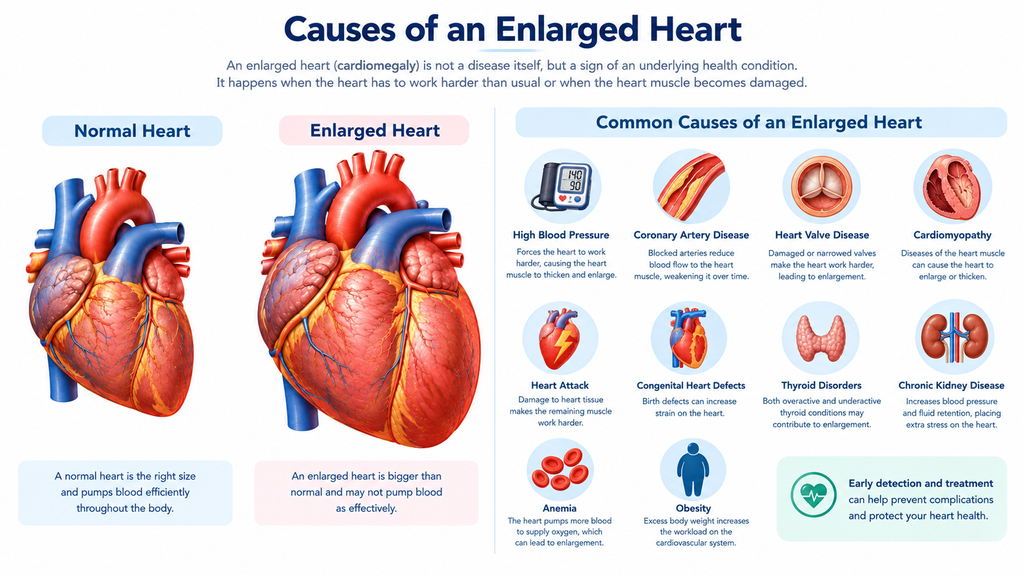
Several medical conditions can lead to an enlarged heart.
High Blood Pressure
High blood pressure forces the heart to pump harder, eventually causing the heart muscle to thicken and enlarge.
Coronary Artery Disease
Blocked arteries reduce blood flow to the heart muscle, weakening it over time.
Heart Valve Disease
Damaged or narrowed heart valves force the heart to work harder, leading to enlargement.
Cardiomyopathy
Inherited or acquired diseases affecting the heart muscle are among the leading causes of cardiomegaly.
Heart Attack
Previous heart attacks can damage heart tissue, making the remaining muscle work harder.
Congenital Heart Defects
Some individuals are born with heart abnormalities that increase strain on the heart.
Thyroid Disorders
Both overactive and underactive thyroid conditions may contribute to heart enlargement.
Chronic Kidney Disease
Kidney problems often increase blood pressure and fluid retention, placing extra stress on the heart.
Anemia
Severe or long-term anemia requires the heart to pump more blood to supply oxygen throughout the body.
Obesity
Excess body weight increases the workload on the cardiovascular system.
Enlarged Heart Symptoms
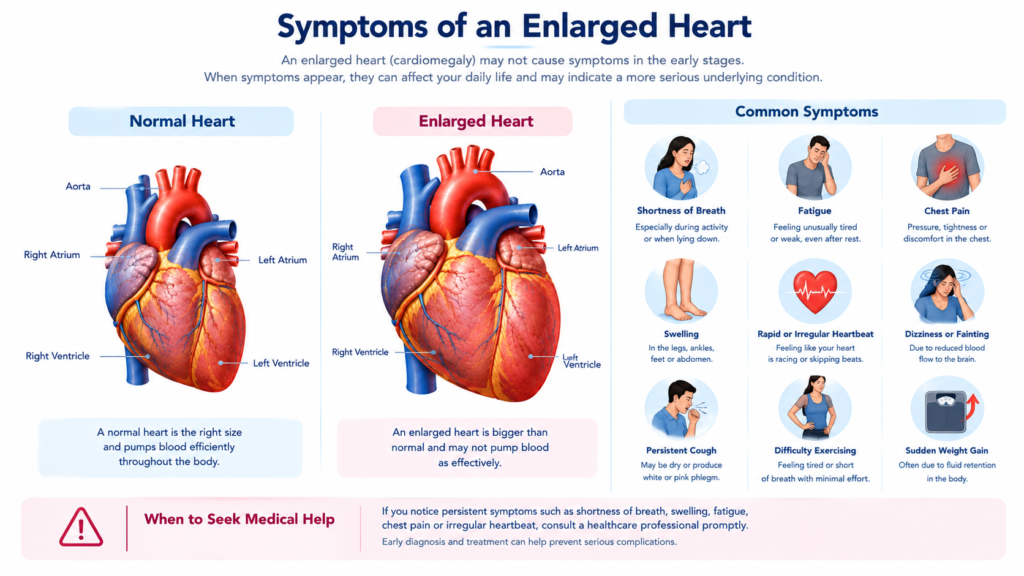
Some people experience no symptoms during the early stages.
When symptoms appear, they may include:
- Shortness of breath
- Fatigue
- Chest pain
- Swelling in the legs, ankles, or feet
- Rapid heartbeat
- Irregular heartbeat
- Dizziness
- Fainting
- Persistent cough
- Difficulty exercising
- Weight gain due to fluid retention
Symptoms often become more noticeable as the underlying condition progresses.
Risk Factors
Certain factors increase the likelihood of developing an enlarged heart.
These include:
- High blood pressure
- Diabetes
- Obesity
- Smoking
- Excessive alcohol consumption
- Family history of heart disease
- High cholesterol
- Sleep apnea
- Lack of physical activity
- Older age
Managing these risk factors can significantly reduce your chances of developing cardiomegaly.
How Doctors Diagnose an Enlarged Heart
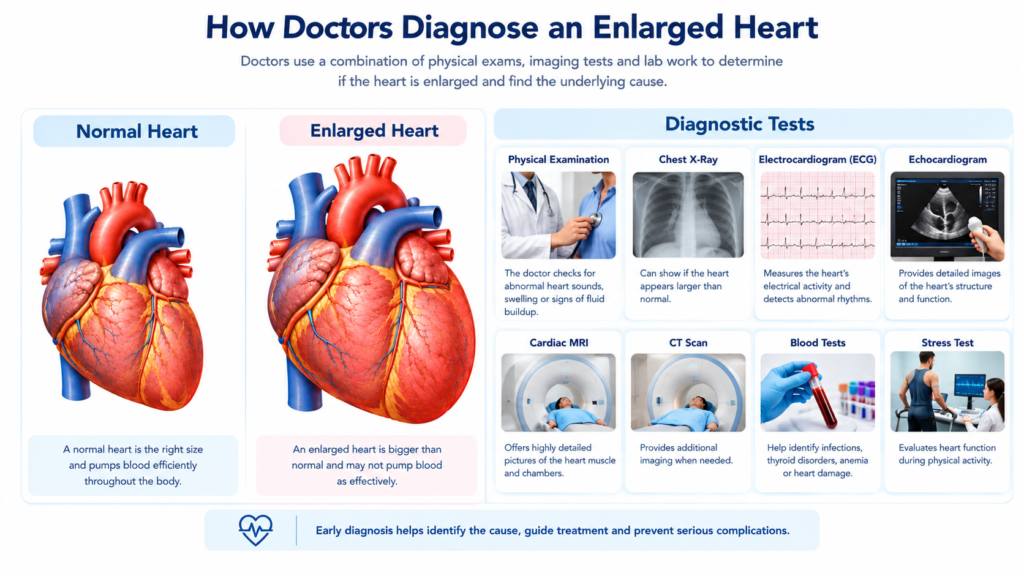
A healthcare provider may use several tests to confirm the diagnosis.
Physical Examination
The doctor checks for swelling, abnormal heart sounds, or signs of fluid buildup.
Chest X-Ray
A chest X-ray can reveal whether the heart appears larger than normal.
Electrocardiogram (ECG)
Measures the electrical activity of the heart and detects abnormal rhythms.
Echocardiogram
An ultrasound that provides detailed images of heart structure and function.
Cardiac MRI
Offers highly detailed pictures of the heart muscle and chambers.
CT Scan
Provides additional imaging when needed.
Blood Tests
Help identify infections, thyroid disorders, anemia, or heart damage.
Stress Test
Evaluates heart function during physical activity.
Treatment for an Enlarged Heart
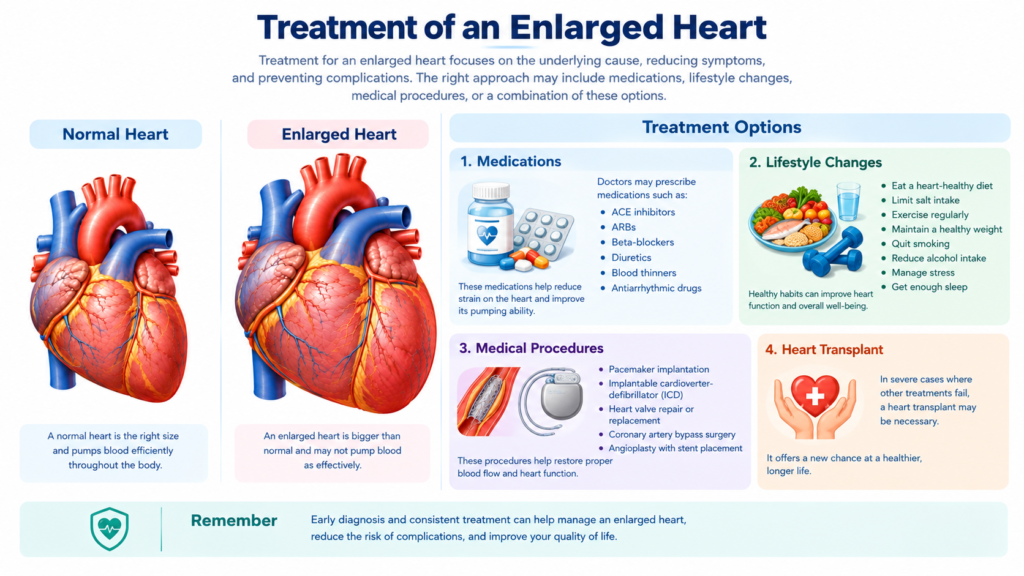
Treatment depends on the underlying cause.
Medications
Doctors may prescribe:
- ACE inhibitors
- ARBs
- Beta-blockers
- Diuretics
- Blood thinners
- Antiarrhythmic medications
These medications reduce strain on the heart and improve its pumping ability.
Lifestyle Changes
Healthy lifestyle choices play a major role in treatment.
Recommended changes include:
- Following a heart-healthy diet
- Limiting salt intake
- Exercising regularly
- Maintaining a healthy weight
- Quitting smoking
- Reducing alcohol intake
- Managing stress
- Sleeping adequately
Medical Procedures
Some patients require advanced treatments.
Examples include:
- Pacemaker implantation
- Implantable cardioverter-defibrillator (ICD)
- Heart valve repair or replacement
- Coronary artery bypass surgery
- Angioplasty with stent placement
Heart Transplant
In severe cases where other treatments fail, a heart transplant may become necessary.
Complications of an Enlarged Heart
Without treatment, cardiomegaly can lead to serious complications.
These include:
- Heart failure
- Blood clots
- Stroke
- Sudden cardiac arrest
- Heart rhythm disorders
- Valve problems
- Reduced blood circulation
Early treatment greatly lowers the risk of these complications.
Can an Enlarged Heart Be Reversed?
In some cases, yes.
If the enlargement results from conditions such as high blood pressure, pregnancy, or certain infections, treating the underlying cause may allow the heart to return closer to its normal size.
However, enlargement caused by permanent heart muscle damage may not be completely reversible.
Early diagnosis offers the best chance for improvement.
Prevention Tips
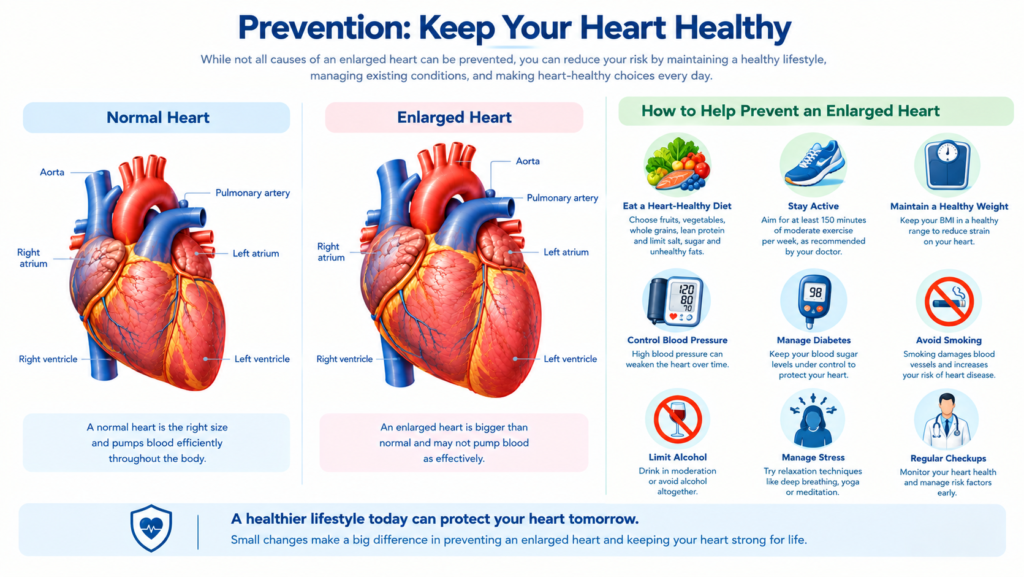
Although not every case can be prevented, healthy habits reduce your risk.
Follow these recommendations:
- Control blood pressure.
- Keep cholesterol levels healthy.
- Manage diabetes effectively.
- Exercise for at least 150 minutes each week.
- Eat more fruits and vegetables.
- Limit processed foods.
- Avoid smoking.
- Limit alcohol intake.
- Maintain a healthy weight.
- Attend regular health checkups.
Prevention remains one of the best strategies for protecting heart health.
When Should You See a Doctor?
Seek immediate medical attention if you experience:
- Severe chest pain
- Sudden shortness of breath
- Fainting
- Rapid or irregular heartbeat
- Pain spreading to the arm, jaw, neck, or back
Prompt treatment can be lifesaving.
Living With an Enlarged Heart
Many people with cardiomegaly live active and fulfilling lives by following their treatment plan.
Helpful habits include:
- Taking medications exactly as prescribed
- Monitoring blood pressure
- Eating a balanced diet
- Exercising safely
- Limiting sodium
- Managing stress
- Keeping follow-up appointments
Working closely with your healthcare provider can improve both quality of life and long-term outcomes.
Frequently Asked Questions
Is an enlarged heart serious?
It can be. The severity depends on the underlying cause and how well it is managed. Early diagnosis and treatment often improve outcomes.
Can exercise help?
Yes. Moderate exercise, as recommended by your doctor, can strengthen the heart and improve overall cardiovascular health. Avoid strenuous activities unless approved by your healthcare provider.
Is an enlarged heart hereditary?
Some forms of cardiomyopathy are inherited, making family history an important risk factor.
Can an enlarged heart cause fatigue?
Yes. Because the heart pumps less efficiently, reduced blood flow may lead to persistent tiredness and weakness.
Does high blood pressure cause an enlarged heart?
Yes. Long-term uncontrolled high blood pressure is one of the most common causes of cardiomegaly.
Conclusion
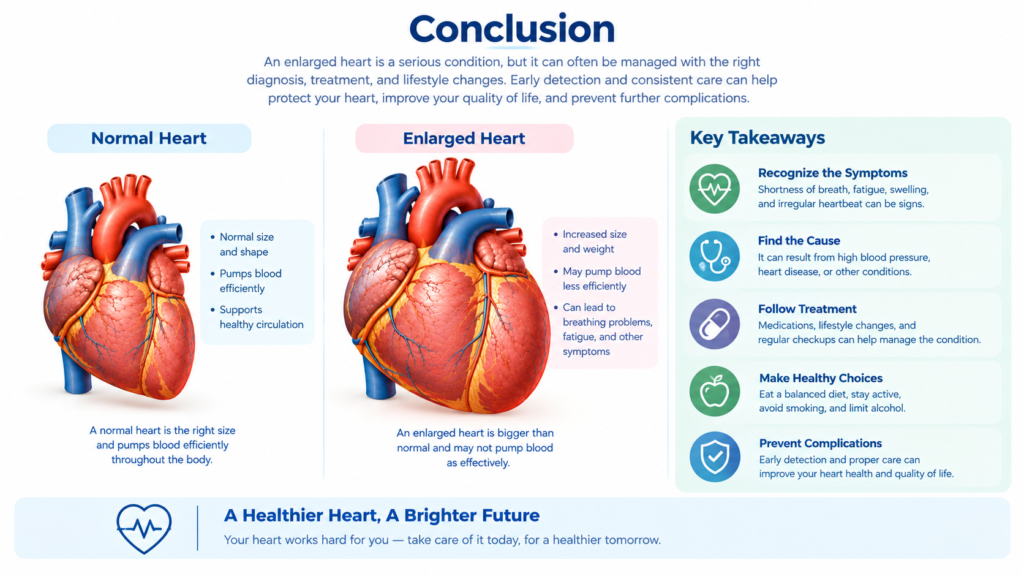
An enlarged heart is a warning sign that should never be ignored. While it is not a disease on its own, it often indicates an underlying heart condition that requires medical attention. Recognizing the symptoms early, identifying the root cause, and following an appropriate treatment plan can significantly improve heart function and reduce the risk of serious complications.
Maintaining a healthy lifestyle, controlling blood pressure, exercising regularly, eating a nutritious diet, and attending routine medical checkups are essential steps in protecting your heart. If you notice symptoms such as shortness of breath, swelling, fatigue, or irregular heartbeats, consult a healthcare professional promptly. Early diagnosis and proper care can make a meaningful difference in your long-term heart health.