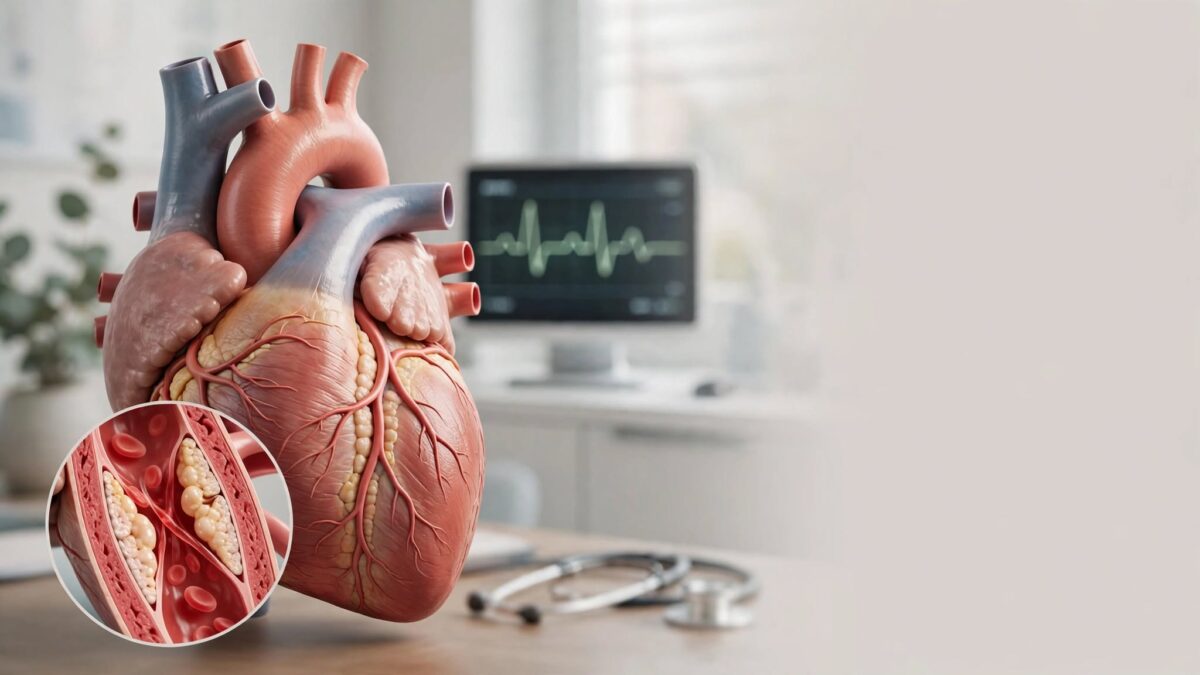
Don’t ignore unusual chest pain, shortness of breath, or fatigue. These could be early signs of a heart attack that require immediate attention.
Introduction:
Heart disease remains one of the leading causes of death worldwide, and a heart attack is one of its most serious medical emergencies. Recognizing the signs of a heart attack early can make the difference between life and death. Many people think a heart attack always causes sudden, severe chest pain, but symptoms can vary from person to person. Some warning signs begin hours, days, or even weeks before the actual event.
Understanding these symptoms allows you to seek emergency medical care immediately, reducing damage to the heart muscle and improving survival rates.
In this guide, you’ll learn about the early signs of a heart attack, symptoms in men and women, causes, risk factors, diagnosis, treatment, prevention, and frequently asked questions.
What Is a Heart Attack?
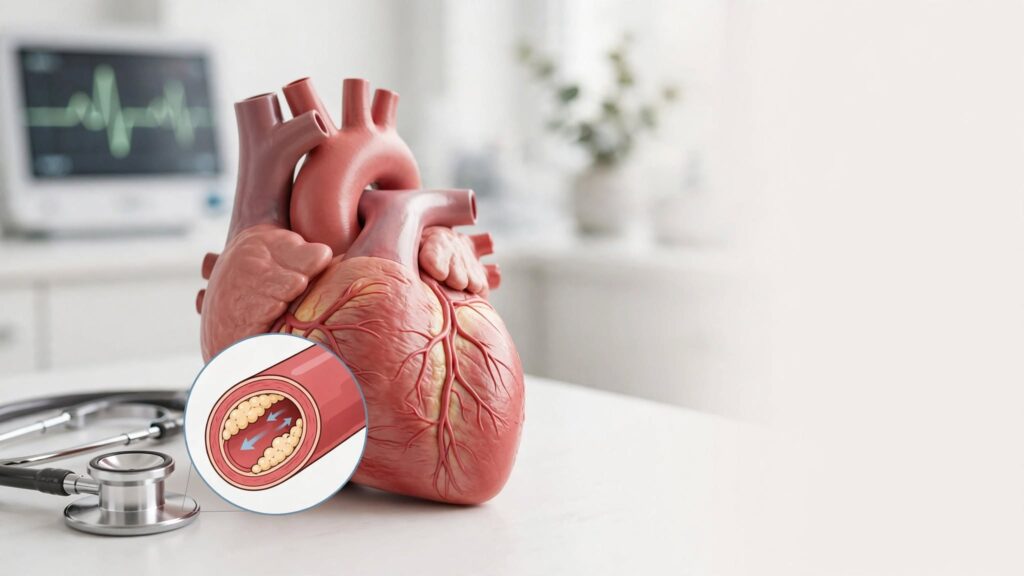
A heart attack, medically known as myocardial infarction, occurs when blood flow to part of the heart muscle becomes blocked. Without enough oxygen-rich blood, the affected heart muscle begins to die. The blockage usually happens because of a buildup of fatty deposits (plaque) in the coronary arteries that suddenly ruptures and forms a blood clot.
A heart attack requires immediate emergency treatment. Delaying medical care increases the risk of permanent heart damage and life-threatening complications.
Early Signs of a Heart Attack

Some people experience warning signs before the actual heart attack occurs. These early symptoms should never be ignored.
Chest Discomfort
The most common symptom is pain, pressure, tightness, squeezing, or fullness in the center or left side of the chest. The discomfort may last for several minutes or come and go.
Shortness of Breath
Difficulty breathing may occur before or during chest pain. Some people feel unable to catch their breath even while resting.
Pain That Spreads
Heart attack pain may spread to:
- Left arm
- Right arm
- Shoulders
- Neck
- Jaw
- Upper back
This pain may feel dull, heavy, or aching rather than sharp.
Cold Sweat
Breaking out into an unexpected cold sweat without physical activity can be a warning sign.
Unusual Fatigue
Many people—especially women—experience unusual tiredness days or weeks before a heart attack.
Nausea or Vomiting
Some individuals experience stomach discomfort, nausea, vomiting, or indigestion that resembles acid reflux.
Dizziness or Lightheadedness
Feeling faint, weak, or dizzy may indicate reduced blood flow caused by the heart struggling to pump effectively.
Signs of a Heart Attack in Women

Women often experience symptoms that differ from the classic chest pain seen in men.
Common symptoms include:
- Extreme fatigue
- Shortness of breath
- Nausea
- Vomiting
- Jaw pain
- Neck pain
- Upper back pain
- Shoulder discomfort
- Mild chest pressure
- Dizziness
Because these symptoms can be subtle, many women mistake them for stress, indigestion, or the flu.
Signs of a Heart Attack in Men

Men are more likely to experience the traditional warning signs.
These include:
- Severe chest pain
- Pain spreading down the left arm
- Heavy chest pressure
- Cold sweating
- Difficulty breathing
- Sudden weakness
Although chest pain is common, not every man experiences the same symptoms.
Causes of a Heart Attack
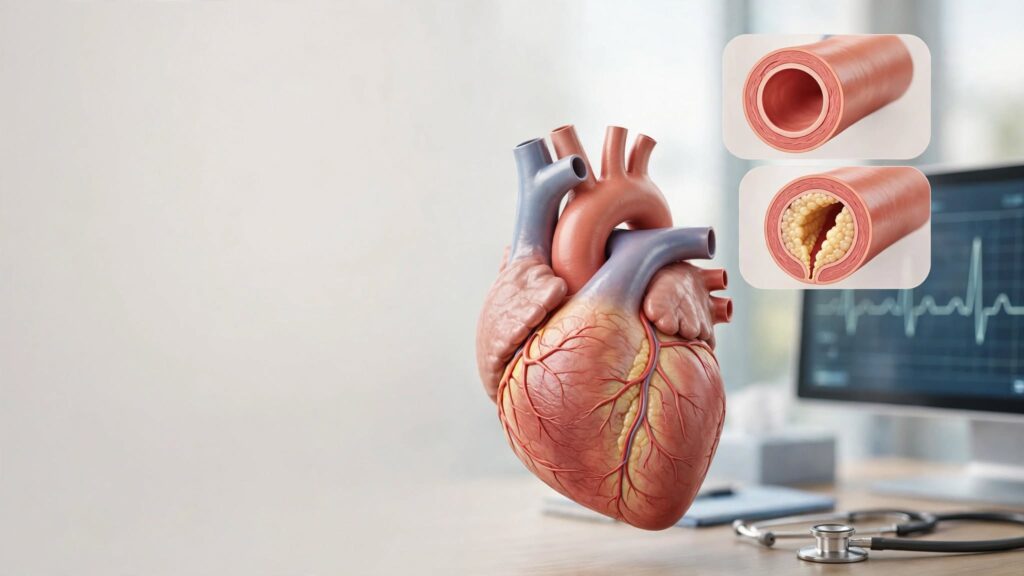
Several conditions can reduce blood flow to the heart.
Common causes include:
Coronary Artery Disease
Plaque buildup narrows the arteries and limits blood flow.
Blood Clots
A ruptured plaque can trigger clot formation that completely blocks an artery.
Coronary Artery Spasm
Temporary narrowing of the coronary artery may reduce blood supply.
Rare Conditions
Less common causes include artery tears, severe infections, and certain drug use.
Risk Factors
Some risk factors cannot be changed, while others can be managed.
Non-Modifiable Risk Factors
- Older age
- Family history of heart disease
- Male gender (higher earlier-life risk)
Lifestyle Risk Factors
- Smoking
- High blood pressure
- High cholesterol
- Diabetes
- Obesity
- Physical inactivity
- Excessive alcohol use
- Chronic stress
- Poor diet
Managing these factors significantly lowers heart attack risk.
What Should You Do During a Heart Attack?
If you think you or someone else is having a heart attack:
- Call your local emergency medical services immediately.
- Do not drive yourself if possible.
- Stay calm and sit down while waiting for help.
- Loosen tight clothing.
- If advised by emergency services or a healthcare professional and it is appropriate for your situation, chew an aspirin while waiting for help.
Never ignore symptoms or wait to see if they disappear.
How Doctors Diagnose a Heart Attack

Healthcare providers use several tests.
Electrocardiogram (ECG)
Measures the heart’s electrical activity.
Blood Tests
Detect heart muscle damage using cardiac biomarkers such as troponin.
Echocardiogram
Uses ultrasound to examine heart function.
Coronary Angiography
Shows blocked coronary arteries using special dye and X-rays.
Cardiac CT or MRI
Provides detailed images in selected situations.
Treatment for a Heart Attack
Treatment begins immediately after diagnosis.
Common treatments include:
- Oxygen therapy (when needed)
- Blood-thinning medications
- Clot-dissolving medicines (for eligible patients)
- Angioplasty and stent placement
- Coronary artery bypass surgery (CABG)
- Medications to lower blood pressure and cholesterol
Cardiac rehabilitation is often recommended after recovery.
How to Prevent a Heart Attack

Healthy lifestyle habits greatly reduce risk.
Eat a Heart-Healthy Diet
Choose:
- Fruits
- Vegetables
- Whole grains
- Lean protein
- Fish
- Nuts
- Healthy fats
Limit processed foods, sugary drinks, and excess salt.
Exercise Regularly
Aim for at least 150 minutes of moderate physical activity each week, or as recommended by your healthcare provider.
Stop Smoking
Smoking significantly increases heart attack risk.
Maintain a Healthy Weight
Weight control helps reduce blood pressure and cholesterol.
Control Medical Conditions
Work with your healthcare provider to manage:
- High blood pressure
- Diabetes
- High cholesterol
Manage Stress
Practice meditation, deep breathing, yoga, or other relaxation techniques.
Get Regular Checkups
Routine screenings help detect heart disease before symptoms develop.
When Should You See a Doctor?
Seek immediate emergency care if you experience:
- Chest pain lasting more than a few minutes
- Pain spreading to the arm, jaw, neck, or back
- Severe shortness of breath
- Sudden cold sweat
- Fainting
- Unexplained nausea with chest discomfort
Quick treatment can save heart muscle and save lives.
(FAQs)
Can a heart attack happen without chest pain?
Yes. Some people, especially women, older adults, and people with diabetes, may have little or no chest pain.
How long do heart attack symptoms last?
Symptoms may last several minutes or come and go before becoming more severe.
Is jaw pain a sign of a heart attack?
Yes. Pain in the jaw, neck, shoulders, or upper back can be a symptom of a heart attack.
Can stress cause a heart attack?
Severe stress may contribute to heart attacks, especially in people with existing heart disease or risk factors.
Can young adults have a heart attack?
Although more common in older adults, younger people can also experience heart attacks, particularly if they have risk factors such as smoking, obesity, diabetes, high cholesterol, or a strong family history.
Conclusion

Recognizing the signs of a heart attack can save lives. While chest pain is the most well-known symptom, many people experience warning signs such as shortness of breath, fatigue, nausea, dizziness, or pain in the jaw, neck, back, or arms. Seeking immediate emergency medical care at the first sign of a heart attack can greatly improve outcomes and reduce permanent heart damage.
Adopting a heart-healthy lifestyle, managing risk factors, and attending regular medical checkups are among the best ways to protect your heart. If you or someone around you develops possible heart attack symptoms, treat it as a medical emergency and seek help immediately.