
Discover simple yet powerful leading skin care tips that can transform your skin, prevent common problems, and help you achieve a healthy, radiant glow every day.
15 Expert Secrets for Healthy, Glowing Skin
Healthy skin is more than just a beauty goal—it reflects your overall health and well-being. Following the leading skin care tips can help you maintain smooth, radiant, and youthful skin regardless of your age or skin type. A consistent skincare routine protects your skin from pollution, sun damage, premature aging, and breakouts while boosting your confidence.
Many people believe achieving glowing skin requires expensive products or complicated routines. In reality, healthy skin comes from understanding your skin’s needs and following simple habits every day. Cleansing, moisturizing, sun protection, hydration, healthy eating, and quality sleep all play essential roles in maintaining beautiful skin.
In this guide, you’ll discover the best leading skin care tips, learn how to build an effective skincare routine, avoid common mistakes, and find practical advice suitable for every skin type.
Why Skin Care Is Important

Your skin is the largest organ in your body and acts as a protective barrier against harmful bacteria, UV rays, pollution, and environmental damage. Proper skincare helps maintain this barrier while keeping your skin healthy and balanced.
Benefits of good skincare include:
- Maintains healthy skin
- Prevents acne and blemishes
- Slows signs of aging
- Improves skin texture
- Reduces dryness and irritation
- Protects against harmful UV rays
- Boosts confidence
- Supports natural skin repair
Healthy skin isn’t achieved overnight. Consistency is the real secret.
1. Know Your Skin Type
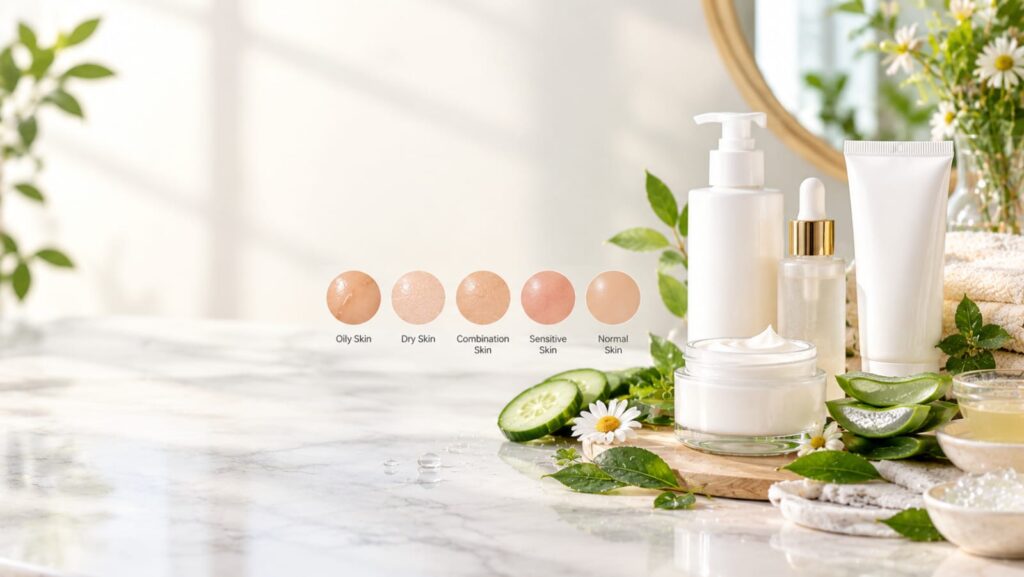
Before choosing skincare products, determine your skin type.
Oily Skin
Produces excess oil and is prone to acne and enlarged pores.
Dry Skin
Feels tight, flaky, or rough and requires extra hydration.
Combination Skin
Oily in the T-zone while dry on the cheeks.
Sensitive Skin
Reacts easily to fragrances, chemicals, or harsh products.
Normal Skin
Balanced with minimal concerns.
Knowing your skin type allows you to choose products that work effectively without causing irritation.
2. Cleanse Your Face Twice Daily
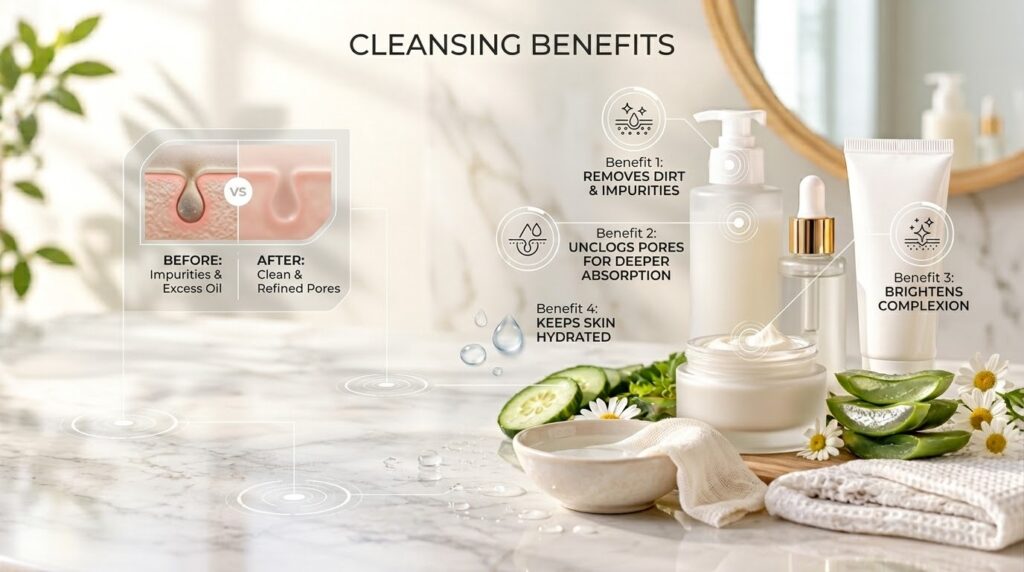
Cleansing removes dirt, oil, sweat, bacteria, and makeup that build up throughout the day.
Use a gentle cleanser:
- Morning
- Before bedtime
- After excessive sweating
Avoid harsh soaps that strip away natural oils.
3. Never Skip Moisturizer

Many people with oily skin skip moisturizer, but every skin type needs hydration.
A quality moisturizer:
- Locks in moisture
- Strengthens the skin barrier
- Prevents dryness
- Keeps skin soft
- Reduces irritation
Choose lightweight gel moisturizers for oily skin and richer creams for dry skin.
4. Wear Sunscreen Every Day
Sun exposure is one of the leading causes of:
- Wrinkles
- Fine lines
- Dark spots
- Uneven skin tone
- Premature aging
Use a broad-spectrum sunscreen with SPF 30 or higher every day—even when it’s cloudy. Reapply every two hours if you’re outdoors.
5. Stay Hydrated

Water supports healthy skin by helping maintain elasticity and hydration.
Aim for 8–10 glasses of water daily. Eating water-rich foods like cucumbers, watermelon, oranges, and strawberries can also help keep your skin hydrated.
6. Eat Skin-Friendly Foods

A balanced diet provides the nutrients your skin needs to repair and protect itself.
Include:
- Fruits and vegetables rich in antioxidants
- Healthy fats from avocados, nuts, and seeds
- Omega-3 fatty acids from salmon and walnuts
- Lean proteins for collagen production
- Whole grains for steady energy
Limit sugary foods and processed snacks, as they may contribute to breakouts and inflammation.
7. Get Enough Sleep
Your skin repairs itself while you sleep. Aim for 7–9 hours of quality sleep each night to support natural cell renewal and wake up with healthier-looking skin.
8. Exfoliate Your Skin Regularly
Exfoliation removes dead skin cells that can make your complexion look dull and clog your pores. It also helps skincare products absorb more effectively.
Tips for safe exfoliation:
- Exfoliate 1–2 times a week.
- Choose a gentle chemical exfoliant (such as AHAs or BHAs) or a mild scrub.
- Avoid over-exfoliating, which can damage your skin barrier.
- Always moisturize after exfoliating.
Regular exfoliation can leave your skin looking brighter, smoother, and more even.
9. Avoid Touching Your Face

Your hands come into contact with countless surfaces throughout the day, collecting bacteria and dirt. Touching your face frequently can transfer these impurities to your skin, increasing the risk of breakouts and irritation.
Healthy habits:
- Avoid resting your face in your hands.
- Wash your hands before applying skincare products.
- Keep your phone screen clean.
- Resist picking pimples, as it can lead to scars and infections.
10. Use Products Suitable for Your Skin

Not every skincare product works for everyone. Using products designed for your skin type helps you achieve better results.
Look for products that:
- Match your skin type.
- Are non-comedogenic if you’re acne-prone.
- Contain beneficial ingredients like hyaluronic acid, niacinamide, ceramides, or vitamin C.
- Are free from harsh fragrances if you have sensitive skin.
Introduce new products one at a time so you can monitor how your skin reacts.
11. Manage Stress Effectively
Stress affects more than your mood—it can also impact your skin. High stress levels may trigger acne, eczema, psoriasis, and dullness.
Ways to reduce stress include:
- Daily exercise
- Meditation
- Deep breathing exercises
- Reading
- Spending time outdoors
- Getting enough sleep
Managing stress benefits both your mental health and your skin.
12. Exercise Regularly
Physical activity improves blood circulation, delivering oxygen and nutrients to your skin cells.
Benefits include:
- Healthier complexion
- Better collagen production
- Natural glow
- Reduced stress
Remember to cleanse your face after exercising to remove sweat and prevent clogged pores.
13. Avoid Smoking and Limit Alcohol
Smoking reduces blood flow to the skin and damages collagen and elastin, leading to premature wrinkles and dullness.
Excessive alcohol can:
- Dehydrate the skin
- Increase redness
- Make skin appear tired
- Worsen inflammation
Choosing healthier lifestyle habits supports long-term skin health.
14. Keep Your Makeup Brushes Clean
Dirty makeup tools collect bacteria, oil, and old makeup residue.
Clean your brushes:
- Once a week for frequently used brushes.
- Every two weeks for less frequently used tools.
Using clean tools helps prevent acne, irritation, and skin infections.
15. Be Consistent with Your Routine

The most effective skincare routine is one you follow consistently.
Your basic daily routine should include:
Morning Routine
- Gentle cleanser
- Vitamin C serum (optional)
- Moisturizer
- Sunscreen SPF 30+
Evening Routine
- Cleanser
- Treatment serum (if needed)
- Moisturizer
- Eye cream (optional)
Visible improvements often take several weeks, so be patient and avoid switching products too frequently.
Common Skin Care Mistakes to Avoid
Even with good intentions, certain habits can harm your skin.
Avoid these common mistakes:
- Sleeping with makeup on
- Using products that don’t suit your skin type
- Overwashing your face
- Skipping sunscreen
- Over-exfoliating
- Using expired skincare products
- Ignoring hydration
- Popping pimples
- Trying too many new products at once
Correcting these habits can significantly improve your skin’s appearance.
Skin Care Tips for Different Skin Types
Oily Skin
- Use an oil-free cleanser.
- Choose lightweight gel moisturizers.
- Apply non-comedogenic sunscreen.
- Avoid heavy creams.
Dry Skin
- Use a creamy, hydrating cleanser.
- Apply a rich moisturizer.
- Use products containing ceramides or hyaluronic acid.
- Avoid hot showers.
Combination Skin
- Balance oil control and hydration.
- Apply lightweight moisturizer across the face.
- Treat oily and dry areas as needed.
Sensitive Skin
- Choose fragrance-free products.
- Perform a patch test before using new skincare.
- Avoid harsh exfoliants.
- Use soothing ingredients like aloe vera or oatmeal.
Frequently Asked Questions (FAQs)
1. What are the most important leading skin care tips?
The most important tips include cleansing twice daily, moisturizing, wearing sunscreen every day, staying hydrated, eating a balanced diet, and getting enough sleep.
2. How often should I wash my face?
Wash your face twice a day—once in the morning and once before bed. You should also cleanse after heavy sweating.
3. Is sunscreen necessary indoors?
Yes. UVA rays can pass through windows, so wearing sunscreen daily helps protect your skin even when you’re indoors.
4. How long does it take to see skincare results?
Most people notice improvements within 4–8 weeks, depending on their skin type and the products they use.
5. Can diet affect skin health?
Absolutely. A diet rich in fruits, vegetables, healthy fats, lean proteins, and whole grains can support healthier, clearer skin.
Final Thoughts
Following these leading skin care tips can help you achieve healthier, brighter, and more youthful-looking skin. The key is consistency—small daily habits often lead to the biggest long-term improvements. By cleansing properly, moisturizing, protecting your skin from the sun, staying hydrated, eating nutritious foods, and maintaining a healthy lifestyle, you can support your skin’s natural beauty.
Remember that everyone’s skin is unique. Pay attention to how your skin responds, choose products that suit your skin type, and be patient as your routine begins to show results. Healthy skin is a journey, not a quick fix.
Call to Action
Looking for more expert health and wellness advice? Explore Wellviro for trusted skincare guides, nutrition tips, fitness advice, and healthy lifestyle resources to help you look and feel your best every day.